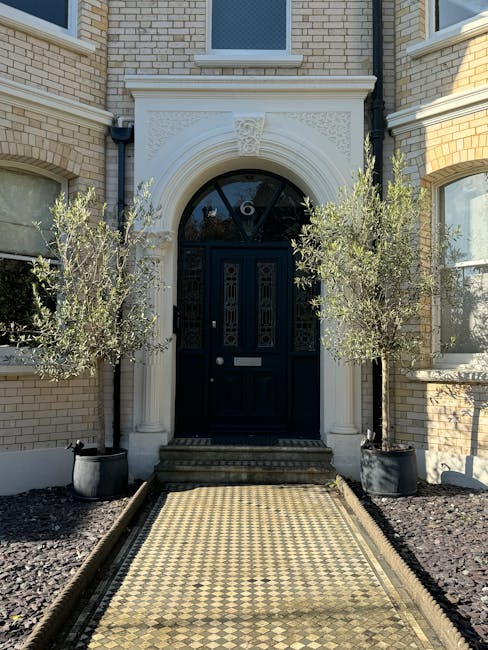
Gardeners for front garden makeovers in Upper Tooting
If your front garden has started to feel a bit tired, cluttered, or frankly forgettable, you are not alone. Many homes in Upper Tooting have compact front plots, awkward paving, patchy lawn edges, or planting that once looked lovely but now needs a proper rethink. That is exactly where Gardeners for front garden makeovers in Upper Tooting can make a real difference: not just tidying things up, but reshaping the whole approach to the front of the house so it looks welcoming, works day to day, and suits the property properly.
Front garden work is about more than a few neat borders. It can improve first impressions, make access easier, reduce ongoing maintenance, and create a space that feels designed rather than neglected. In a London setting, where every square metre counts, the right plan matters. A well-finished front garden can feel calm in the morning, smart in the evening, and practical all year round. And yes, it can save you from that weekly "I really should deal with this" feeling.
This guide walks through what a front garden makeover involves, how professional gardeners approach it, what to expect, what to avoid, and how to decide what will actually work for your home in Upper Tooting.
Table of Contents
- Why Gardeners for front garden makeovers in Upper Tooting Matters
- How Gardeners for front garden makeovers in Upper Tooting Works
- Key Benefits and Practical Advantages
- Who This Is For and When It Makes Sense
- Step-by-Step Guidance
- Expert Tips for Better Results
- Common Mistakes to Avoid
- Tools, Resources and Recommendations
- Law, Compliance, Standards, or Best Practice
- Options, Methods, or Comparison Table
- Case Study or Real-World Example
- Practical Checklist
- Conclusion
- Frequently Asked Questions
Why Gardeners for front garden makeovers in Upper Tooting Matters
Front gardens do a lot of heavy lifting. They frame the house, guide visitors, soften hard edges, and set the tone before anyone even reaches the front door. In Upper Tooting, where streets can mix period homes, compact terraces, and practical modern layouts, that first impression matters even more. A front garden that is overgrown or under-planned can make the whole property feel smaller, darker, or simply less cared for. Fair or not, people notice.
Good front garden design also has a practical side. You may need safer access, better drainage, easier bin storage, room for bikes, or just something that does not turn into a weekend chore. A makeover is not only about beauty. It is about making the space behave itself, if that makes sense. The best gardeners look at the front of the property as a working part of the home, not just decoration.
There is also the local context. London front gardens often need planting that tolerates urban conditions, limited soil depth, shade from neighbouring buildings, and more foot traffic than a suburban show garden. A thoughtful plan can make a small space feel generous. That is the quiet magic of good landscaping. It does not shout. It simply works.
For many homeowners, the turning point is this: the front of the house should feel as considered as the inside. If the hallway is tidy but the entrance path is cracked and the planting is falling apart, the whole place feels unfinished. A makeover restores balance. Simple, but powerful.
To explore the wider range of work that often sits alongside front garden improvements, you can also look at landscape gardening and the broader services overview.
How Gardeners for front garden makeovers in Upper Tooting Works
A front garden makeover usually begins with an assessment of what is already there. That includes the layout, soil condition, drainage, access points, sunlight, existing plants, boundary treatment, and the amount of maintenance the owner is willing to take on. A good gardener will not just ask, "What do you want it to look like?" They will also ask how you live, how often you want to prune, and whether you want a more formal or relaxed finish.
From there, the work normally moves through a few stages. First is clearing out the unwanted material: dead planting, broken edging, weeds, redundant features, or tired surfaces. Then comes the shaping work-beds, paths, borders, steps, or lawn adjustments. Only after the bones are right should planting be added. In our experience, that sequence matters more than people expect. If you plant too early, you often end up reshuffling everything later. Bit of a headache.
Depending on the brief, the makeover may include fresh turf or lawn renovation, new mulch, gravel, paving repairs, hedge shaping, low-maintenance planting, or even better screening at the front. Some homes benefit from structure and symmetry. Others need a softer, more natural look. The right answer depends on the house, the street, and how much time you want to spend looking after it.
Professional gardeners also consider practical details that are easy to overlook: where rainwater runs, how deep roots can spread, whether a shrub will block a window in two years, and how much the winter light reaches the front of the house. That sort of judgement is what separates a quick tidy-up from a front garden that still looks good several seasons later.
If the makeover is part of a bigger outdoor plan, related services such as garden maintenance, hedge trimming, or even garden clearance can support the work before and after the main project.
Key Benefits and Practical Advantages
There are plenty of reasons to invest in a front garden makeover, but the strongest ones are usually practical. The look matters, of course, yet the day-to-day benefits are often what persuade people in the end.
- Better kerb appeal: A front garden sets the tone for the property and can make the home feel cared for and inviting.
- Lower maintenance: Replacing fiddly planting with a clearer layout can save time each week. Not glamorous, but very real.
- Improved access: Clear paths, sensible borders, and safer steps make coming and going easier for everyone.
- More usable space: Even a small front garden can work harder with better zoning and plant choices.
- Stronger privacy: Carefully chosen planting can soften views from the street without making the space feel boxed in.
- Better seasonal interest: A mixed planting scheme can keep the front of the house interesting through the year.
There is also a psychological benefit that gets overlooked. A neat front approach can make homecoming feel more pleasant. You come up the path, see structure and colour instead of chaos, and the whole place feels calmer. Small thing, maybe. But it adds up.
For homes with larger trees, awkward edges, or mixed hard and soft landscaping, a broader plan may be needed. In some cases, services such as tree lopping and removal or lawn mowing can be part of getting the front garden back under control.
Who This Is For and When It Makes Sense
Front garden makeovers are not just for people planning a full redesign. They make sense for a surprisingly wide range of homeowners and landlords.
This service is a good fit if you:
- have a front garden that feels cluttered, patchy, or overgrown
- want a cleaner, more welcoming entrance to the property
- need lower maintenance planting or simpler borders
- are dealing with drainage issues, compacted soil, or tired turf
- want to improve privacy without making the front feel closed off
- are preparing a property for sale or letting and want stronger presentation
- have a front garden that no longer suits how you use the space
It is also sensible if you have been maintaining the same planting for years and it has just got away from you a bit. Happens to the best of us. One season slips, then another, and suddenly the front border looks like it has developed its own personality.
A makeover makes the most sense when the current layout is no longer doing its job. Maybe the plants are too big. Maybe the path is too narrow. Maybe the whole space is trying to be two things at once. If that sounds familiar, a redesign may be more effective than yet another tidy-up.
For homeowners who prefer a more structured approach to outdoor improvements, it can help to read about broader landscaping options as well, especially if the front garden needs more than planting alone.
Step-by-Step Guidance
Here is a practical way to think about a front garden makeover in Upper Tooting, from first idea to finished result.
- Look at the space honestly. What works, what does not, and what is causing the most annoyance? Be blunt. It saves time later.
- Decide what the garden needs to do. Is the priority kerb appeal, access, privacy, parking edge control, or low maintenance?
- Assess light, soil, and drainage. A shady north-facing front garden needs a different plan from one that gets strong afternoon sun.
- Clear out the clutter. Remove dead material, damaged plants, weak edging, and anything that makes the layout feel cramped.
- Set the structure first. Think paths, borders, steps, screening, and any hard landscaping before choosing plants.
- Choose plants that suit the site. Pick varieties that can handle the conditions and the amount of care you want to give them.
- Finish with soil improvement and mulch. This helps plants establish and keeps the front garden looking finished, not half-done.
- Plan the maintenance rhythm. A good makeover is not finished on installation day. It needs a sensible upkeep routine.
A useful rule of thumb: if a front garden will only look good while everything is in full bloom, it is probably not well planned. You want structure that holds together in February as well as June. That is the real test.
If the project includes full clearance before the redesign, a dedicated garden clearance service can help get the site ready without dragging the process out. And if the finished space includes a lawn, it is worth making sure the aftercare plan includes regular lawn mowing or edging to keep everything crisp.
Expert Tips for Better Results
Front gardens are often small, which means every decision matters. A few expert-level choices can make a surprisingly big difference.
Keep the plant palette restrained. Too many colours, textures, or species can make a small front garden look busy. Fewer, better-chosen plants usually read as more elegant. A repeat pattern often looks stronger than a random mix.
Think in layers. Low edging plants, medium shrubs, and a single feature plant can create depth without chaos. That layered approach helps even narrow spaces feel more generous.
Use hard landscaping to reduce friction. A clear path, neat edging, and proper thresholds do more for a front garden than many people expect. They are the unglamorous bits, but they carry the whole design.
Plan for winter, not just summer. A front garden needs to look decent when the weather is grey, the beds are damp, and the sky has that classic London colour of wet slate. Evergreen structure helps a lot.
Allow room for real life. Bins, parcels, bikes, pushchairs, wet shoes, muddy boots. Front gardens often serve more functions than anyone admits at the design stage.
Another small but important point: do not overpack the planting area just because it looks sparse on day one. Plants grow. Sometimes more than you expect. It is tempting to fill every gap immediately, but restraint now can save you a lot of pruning later.
For projects where screening or privacy is part of the brief, consider ideas similar to those discussed in privacy-enhancing tall potted plants. The principle is the same: shape the view without blocking the space completely.
Common Mistakes to Avoid
Front garden makeovers go wrong most often when the design ignores the realities of the site. That sounds obvious, yet it happens all the time.
- Choosing plants for appearance alone: A plant that looks lovely in a nursery may be wrong for your soil, shade, or maintenance level.
- Forgetting about scale: Oversized shrubs can swallow a small front garden. A tiny ornamental tree can look lost in a bigger one.
- Leaving access as an afterthought: If the path is awkward, the garden will feel awkward. Simple as that.
- Overcomplicating the layout: Too many materials, levels, or border shapes can make the front look fussy rather than refined.
- Ignoring drainage: Poor water movement can undo good work quickly, especially in wetter periods.
- Skipping the maintenance plan: If nobody knows how the garden will be looked after, the finish may not last.
One of the sneaky mistakes is buying too much of the wrong thing at once. A front garden does not need to be "full" to be finished. It needs to be coherent. That is a different job entirely.
If hedges are part of the problem, rather than the solution, keeping them in check with hedge trimming can restore proportion and light. Sometimes the fix is less dramatic than people expect.
Tools, Resources and Recommendations
Not every homeowner wants to manage a front garden makeover alone, but it helps to understand the tools and working methods involved. That way, you can ask sharper questions and judge proposals more confidently.
Useful tools and materials often include:
- spades, forks, and edging tools for clearing and shaping beds
- secateurs and loppers for pruning and light reshaping
- wheelbarrows and bags for clearance and waste handling
- mulch or bark to reduce weeds and hold moisture
- compost or soil improver for tired planting areas
- gravel, stepping stones, or paving materials for access and structure
- selected shrubs, grasses, perennials, and evergreen anchor plants
From a service-planning point of view, it often helps to think in phases. Clearance first, then structure, then planting, then aftercare. That sequence keeps the project tidy and usually reduces costly rework. Honestly, it also makes the whole thing feel less overwhelming.
If you are comparing service options or trying to understand what a job should include, the site's pricing and quotes page is a sensible place to start. For homeowners who want a general sense of who is behind the work, about us can help build confidence too.
And if sustainability matters to you, it is worth asking how green waste and reusable materials are handled. The approach described on recycling and sustainability may be useful when planning disposal or reuse.
Law, Compliance, Standards, or Best Practice
Front garden work in the UK usually does not require anything dramatic in terms of formal process, but there are still sensible standards and precautions to keep in mind. If your property is leasehold, in a conservation area, or has shared boundaries, it is wise to check whether any changes could affect rights, access, or appearance requirements. Nothing glamorous here, just good housekeeping.
Where trees, walls, fences, and drainage are involved, experienced gardeners will be careful not to damage neighbouring property or disrupt water flow. That matters more than people realise. A well-run project respects boundaries, avoids unnecessary disturbance, and keeps the site safe while work is underway.
Health and safety should also be taken seriously. Good practice includes clear access routes, secure tool use, responsible lifting, tidy work areas, and proper handling of waste. If you are hiring help, it is reasonable to ask how safety is managed and whether suitable insurance is in place. For a local business, pages like insurance and safety and health and safety policy are useful signs that the basics are being handled responsibly.
Best practice also means being honest about what the site can support. A sunny Mediterranean-style front garden may look great in a magazine, but if your front is shaded and damp, the design needs adapting. That is not a compromise. It is proper horticulture.
Options, Methods, or Comparison Table
Not every front garden makeover needs the same level of intervention. Sometimes a modest refresh is enough. Other times, a more complete redesign is the smarter call. Here is a simple comparison to help you think it through.
| Approach | Best for | Typical features | Maintenance level |
|---|---|---|---|
| Light refresh | Front gardens that are basically sound but a bit messy | Weeding, pruning, edging, mulch, small planting swaps | Low to medium |
| Practical redesign | Spaces with poor layout, tired planting, or awkward access | New borders, improved pathing, simplified planting, structure changes | Low |
| Full makeover | Front gardens that feel unusable or visually disconnected from the house | Clearance, new surfaces, drainage improvements, complete replanting | Varies by design |
| Ongoing maintenance plan | Homeowners who want the front to stay sharp all year | Regular mowing, hedge work, seasonal tidy-ups, plant care | Low and predictable |
A lot of people assume they need the biggest option. Often they do not. A small but well-judged redesign can outperform a flashy overhaul if the property is compact. In the real world, restraint is often what makes a front garden feel expensive and calm.
If your project includes decking or a mixed-surface frontage, decking services may also be relevant, particularly where level changes or usable seating space are part of the plan.
Case Study or Real-World Example
Imagine a typical Upper Tooting terrace with a narrow front garden, a patchy strip of lawn, two overgrown shrubs, and a cracked edge near the path. The homeowner wants something smarter but not high-maintenance. They also want to stop spending half of Saturday wrestling weeds out of the border. Fair enough.
The makeover starts with clearance. The tired shrubs come out, the broken edging is removed, and the soil is improved where needed. The path is made visually clearer, and the planting plan is simplified to a few reliable shapes: evergreen structure near the frontage, lower flowering plants at the edge, and a clean mulch finish to keep weeds down.
The result is not showy. That is the point. The front looks brighter, wider, and more settled. The house feels better anchored to the street, and there is no sense that the garden is fighting the building. In the evening, when the front door light comes on and the planting catches the last bit of daylight, the whole frontage feels quietly sorted. Nothing fancy. Just right.
That kind of project is often the sweet spot for homeowners who want a visible improvement without turning the front of the house into a complicated maintenance job. It is the sort of change you notice every day, even if visitors only see it for a minute.
Practical Checklist
Use this checklist before starting a front garden makeover in Upper Tooting.
- Decide what matters most: appearance, access, privacy, or low maintenance.
- Measure the space and note any awkward levels, steps, or narrow points.
- Check sun, shade, and drainage across the front garden.
- List what should be removed, repaired, or kept.
- Choose a style that suits the house and the street.
- Keep the plant palette manageable, especially in small spaces.
- Allow for bins, bikes, and daily movement through the area.
- Plan aftercare so the finished look lasts longer than a few weeks.
- Ask about waste removal and recycling before work begins.
- Confirm any safety, insurance, or access concerns in advance.
Quick takeaway: the best front garden makeovers are usually the ones that look simple. Not bare, not boring-just clear, balanced, and easy to live with. That is where the lasting value sits.
Get a free quote today and see how much you can save.
Conclusion
Gardeners for front garden makeovers in Upper Tooting offer more than a cosmetic tidy-up. They help turn a front entrance into something welcoming, practical, and genuinely suited to the way you live. Whether the problem is clutter, poor layout, tired planting, or just a sense that the space has drifted out of shape, a thoughtful makeover can make the whole property feel better grounded.
The best results come from clear priorities, realistic plant choices, and a plan that respects the site rather than fighting it. You do not need the most complicated design. You need the right one. And once that is in place, the difference is felt every time you come home. Quietly. Day after day.
Sometimes that is all a front garden needs: a fresh start and a bit of care. The rest tends to follow.
Frequently Asked Questions
What do gardeners for front garden makeovers in Upper Tooting usually do?
They usually assess the site, clear unwanted growth, improve the layout, update planting, and make the front garden easier to maintain. Depending on the brief, they may also handle edging, paths, soil improvement, hedge work, and clearance.
How do I know if my front garden needs a makeover rather than just maintenance?
If the space feels badly laid out, overgrown, poorly drained, or no longer matches how you use the property, a makeover is often the better option. Maintenance keeps things going; a makeover changes the underlying structure.
Can a small front garden still be improved meaningfully?
Absolutely. Small front gardens often benefit the most from better structure, simpler planting, and clearer access. In a compact space, even small changes can make the whole frontage feel more open and welcoming.
What should I prioritise first: plants or hard landscaping?
Usually hard landscaping comes first. Paths, steps, borders, and access need to be right before planting is added. Otherwise, you risk planting into a layout that still does not work properly.
How long does a front garden makeover take?
It depends on the size of the space and the level of work involved. A light refresh may be quick, while a full redesign takes longer. Weather, access, and the amount of clearance needed can all affect timing too.
Are low-maintenance front gardens possible without looking bare?
Yes. The trick is to use structure, evergreen elements, and reliable planting rather than just removing everything. Low maintenance does not have to mean dull. It should mean sensible.
What kind of plants work well in Upper Tooting front gardens?
The best choices depend on sun, shade, soil, and space. Generally, gardeners look for plants that cope well with urban conditions and do not need constant attention. A mix of evergreen structure and seasonal interest often works well.
Should I include a lawn in a front garden redesign?
Only if it genuinely suits the space. Small front lawns can be hard to maintain and may not add much value to the layout. In some cases, planting, gravel, or hard landscaping gives a cleaner and more practical result.
Do front garden makeovers help with privacy?
They can, yes. Thoughtful planting and screening can soften views from the street without blocking light or making the frontage feel closed off. The aim is usually privacy with breathing room.
What makes a front garden look professionally designed?
Consistency, proportion, and restraint. Repeated planting, clear edges, well-chosen materials, and a layout that suits the house all help. You usually notice it because nothing feels random.
Is it worth arranging regular maintenance after the makeover?
Yes, if you want the result to last. A front garden can only stay sharp if it is looked after. Regular maintenance keeps the planting healthy, the edges neat, and the whole space from slipping back into chaos.
How can I compare different gardeners before choosing one?
Look at how clearly they explain the work, whether they ask about your goals, and whether they consider practical issues like drainage, safety, and aftercare. It also helps to review their wider service information, including pricing, maintenance, and safety details, before you decide.
In the end, the right front garden makeover should feel like the house has finally settled into itself. That is the quiet win, and it lasts.