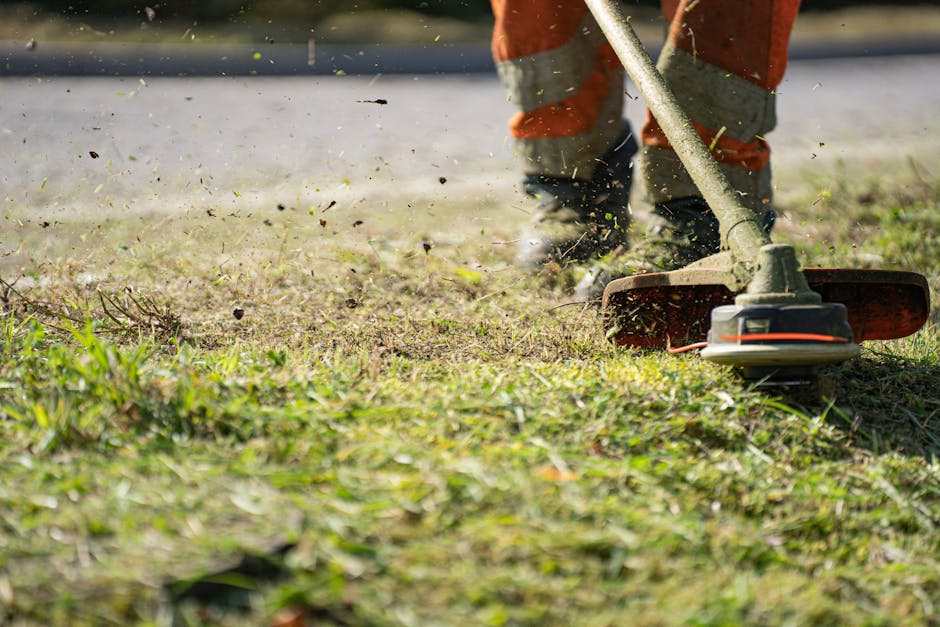
Tooting Bec Common lawn care gardeners and treatments
If your lawn near Tooting Bec Common has started looking patchy, tired, or a bit too mossy for comfort, you are not alone. London lawns take a pounding from foot traffic, shade, compacted soil, pets, dry spells, and the general stop-start rhythm of urban weather. The good news? With the right Tooting Bec Common lawn care gardeners and treatments, a worn lawn can be brought back into shape without guesswork or wasted effort.
This guide explains what lawn care treatments actually do, how professional gardeners approach the job, and how to decide what your garden really needs. You will also find a practical step-by-step process, common mistakes to avoid, and a straightforward checklist you can use before booking work. If you are also weighing up wider garden support, it can help to look at the full range of garden services and, where needed, ongoing garden maintenance to keep the whole plot healthy rather than just patching one problem at a time.
To be fair, lawns are one of those things people notice only when they stop looking good. Then suddenly every brown patch feels personal. Let's fix that properly.
Table of Contents
- Why Tooting Bec Common lawn care gardeners and treatments Matters
- How Tooting Bec Common lawn care gardeners and treatments Works
- Key Benefits and Practical Advantages
- Who This Is For and When It Makes Sense
- Step-by-Step Guidance
- Expert Tips for Better Results
- Common Mistakes to Avoid
- Tools, Resources and Recommendations
- Law, Compliance, Standards, or Best Practice
- Options, Methods, or Comparison Table
- Case Study or Real-World Example
- Practical Checklist
- Conclusion
- Frequently Asked Questions
Why Tooting Bec Common lawn care gardeners and treatments Matters
A healthy lawn does more than look neat. Around Tooting Bec Common, gardens often sit in conditions that are tricky for turf: partial shade from mature trees, compacted clay or mixed soils, frequent use, and the occasional droughty stretch followed by a sudden soaking. That combination is enough to stress even a decent lawn.
That is why local lawn care is not just about mowing. Real lawn treatment work looks at the grass as a living system. The right gardener will check the surface condition, drainage, soil strength, thatch build-up, weed pressure, moss levels, and how the lawn is being used day to day. Sounds simple, but in practice it is the difference between a short-lived tidy-up and proper recovery.
In a place like Tooting, many lawns also sit between paving, decking, side returns, trees, and fences. Edges can dry out quickly, while shaded sections stay damp and thin. A good treatment plan takes all of that into account rather than using the same approach everywhere. That matters because no two lawns behave exactly the same, even on the same street. Funny, really. Grass can be rather fussy.
If you want a broader refresh alongside lawn work, there are times when a garden benefits from wider clearance before treatment starts. Overgrown borders, heavy leaf build-up, or neglected corners can all interfere with light, airflow, and access. In those cases, garden clearance may be the sensible first step.
How Tooting Bec Common lawn care gardeners and treatments Works
Professional lawn care usually begins with assessment, not spraying or feeding. That is the bit people skip when they are in a rush. A gardener will typically look at grass species, density, colour, drainage, compaction, weed load, moss, and whether the lawn has bare areas or disease-like symptoms. From there, the treatment plan is matched to the problem, not to a fixed package.
Common treatments include:
- Scarification to remove thatch and surface debris.
- Aeration to relieve compaction and improve airflow into the root zone.
- Overseeding to thicken thin or worn grass.
- Feeding with a suitable fertiliser to support recovery and growth.
- Weed and moss control where appropriate and legally suitable.
- Topdressing to improve surface level and soil condition.
- Regular mowing adjustments so the lawn is not cut too short for the season.
Sometimes the answer is not one big treatment, but a sequence. For instance, compacted soil may need aeration first, then overseeding, then a feeding plan. If moss is the main issue, it is usually a sign of underlying causes such as shade, poor drainage, acidity, or compaction. Treating moss alone can feel satisfying for a week. Then it returns. Annoying, yes, but predictable.
Routine mowing also plays a part. A consistent cut, with sensible height changes through the year, is one of the simplest ways to protect a lawn. If mowing is already becoming a hassle or the lawn is too large to keep on top of, dedicated lawn mowing support can make a noticeable difference to the final result.
Key Benefits and Practical Advantages
Well-planned lawn care gives you more than a prettier patch of green. It changes how the garden works day to day.
- Thicker grass cover means fewer weeds can gain a foothold.
- Better drainage and root health reduce waterlogging and spongy patches.
- Improved appearance makes the whole garden feel more cared for.
- Less bare ground gives children, pets, and guests a more usable surface.
- Seasonal resilience helps the lawn cope with heat, shade, and wear.
- Cleaner edges and consistent height make the rest of the garden look sharper.
There is also a practical side people often overlook: a healthy lawn can simplify everything else. Borders stand out better. Hard landscaping looks more intentional. Even a modest garden can feel calmer when the turf is even and dense rather than lumpy and tired.
Expert summary: the best lawn treatments do not chase a quick cosmetic fix. They improve the soil, support root growth, and reduce the conditions that let moss, weeds, and thinning grass take over in the first place.
If your garden design is part of the problem, not just the lawn itself, it may be worth thinking about surrounding features too. Shade, footpaths, and uneven surfaces all affect how turf performs. In some gardens, proper landscaping or targeted landscape gardening work can make lawn care far more effective than treatment alone.
Who This Is For and When It Makes Sense
This kind of service is useful for a wider range of people than you might think. It is not just for large gardens or luxury lawns.
- Homeowners who want a healthier lawn without spending every weekend repairing it.
- Landlords and letting agents who need a tidy, durable outdoor space.
- Families whose lawns get regular use from children, pets, or both.
- Older gardens where the grass has thinned over time and needs resetting.
- Shaded gardens where moss and weak growth keep coming back.
- Busy households that need expert help to stay ahead of seasonal maintenance.
It makes particular sense if you are seeing one or more of these signs: the lawn stays wet for too long, feels hard underfoot, has lots of pale or bald patches, looks patchy after mowing, or is full of moss at the base. If those issues are happening all at once, the lawn probably needs more than a quick feed.
And if hedges, trees, or overgrown shrubs are cutting out too much light, do not ignore that. Sunlight is not a luxury for turf. It is fuel. Where shade is the real issue, related work such as hedge trimming or even tree lopping and removal may be worth discussing carefully, especially if you want the grass to stand a proper chance.
Step-by-Step Guidance
If you are trying to understand how a good lawn treatment programme should unfold, this is the practical version. Not fancy, just workable.
- Inspect the lawn properly. Look for compacted areas, drainage problems, weeds, moss, bare patches, and uneven growth.
- Identify the main cause. A lawn with moss because of shade needs a different solution from a lawn worn out by football, dogs, and foot traffic.
- Clear the surface. Remove leaves, small debris, and heavy build-up before any treatment starts.
- Scarify if needed. This helps lift thatch and moss so new grass can breathe.
- Aerate compacted soil. Hollow-tine aeration is especially useful where the soil has become dense and unresponsive.
- Overseed thin areas. Use seed that suits the garden's sun and shade conditions.
- Topdress and feed. This helps improve the surface and support new growth.
- Water sensibly. New seed and recovering turf need moisture, but not constant soaking.
- Mow correctly. Keep blades sharp and the cut height appropriate for the season.
- Review after a few weeks. Good lawn care is often iterative, not instant.
A small but important clarification: scarification and aeration are not always needed together. Sometimes one is enough. Sometimes neither is the right first move. A professional gardener should explain why they are recommending a treatment, not just list it. If they cannot, that is a bit of a red flag.
Expert Tips for Better Results
Here is where the boring-looking details really matter.
- Do not cut too low. Scalping a stressed lawn only makes weeds and dry patches more likely.
- Sharpen mower blades. Torn grass edges go brown and look ragged, especially in dry weather.
- Water deeply, not constantly. Shallow watering encourages weak roots.
- Match seed to conditions. A sunny front lawn and a shaded rear lawn should not always be treated the same way.
- Watch the edges. Borders, paving lines, and fence sides often show stress first.
- Be patient after treatment. New grass does not sprint out of the ground on command. It takes a bit of time. Nature, rather rudely, has its own schedule.
Another tip that saves money over time: combine lawn care with wider seasonal visits when it makes sense. That can include tidying borders, removing leaf build-up, and sorting awkward corners so the whole garden stays workable. A tidy lawn surrounded by chaos still feels half-finished. You know the sort of thing.
If your outdoor space has drainage issues, or if hard surfaces and planting beds are shaping how water moves through the garden, looking at the whole layout is usually wiser than chasing surface symptoms. The right blend of lawn work and careful landscaping can prevent repeat problems.
Common Mistakes to Avoid
Most lawn problems get worse because of a few repeated mistakes. The good news is that they are easy to avoid once you know what they are.
- Using one treatment for every lawn. A mossy shaded lawn needs a different plan from a dry, worn play area.
- Feeding without fixing the soil. Fertiliser helps growth, but it does not solve compaction or bad drainage.
- Overwatering. More water is not always more help.
- Ignoring mowing height. Cut too short and the grass spends its energy recovering instead of thickening.
- Leaving leaves and clippings to smother the lawn. That can encourage disease and moss.
- Trying to revive a lawn while the garden is still overcrowded. If access and light are poor, results will be limited.
The biggest mistake, though, is expecting one treatment to solve a long-standing problem. Lawn repair often needs a series of sensible actions. Think of it like getting back into shape after a winter of too much sitting around. One good walk helps. But it is not the whole story.
Tools, Resources and Recommendations
Good gardeners do not rely on magic; they use the right tools for the job. For lawn care, that usually means a mix of diagnostic judgment and practical equipment.
- Sharp lawn mower for clean cutting.
- Scarifier or rake for removing thatch and moss.
- Aerator to open up compacted ground.
- Seeder or spreader for even overseeding and feeding.
- Hose or watering system for careful post-treatment care.
- Soil improvers or topdressing materials where the lawn surface needs help.
From a customer point of view, the most useful "resource" is a clear plan. Ask what problem the treatment is solving, what the expected outcome is, and what you should do afterwards. If the answer is vague, it may be worth pressing for more detail.
It is also sensible to think about the rest of the garden as part of the same system. Overhanging shrubs, blocked access, or heavy debris can all undermine lawn results. If a site needs more than routine attention, a broader tidy-up through garden clearance may create the right conditions for a better finish.
Law, Compliance, Standards, or Best Practice
Most lawn care is not heavily regulated in the way some other trades are, but that does not mean standards do not matter. Professional gardeners should still work safely, use products responsibly, and communicate clearly about what they are doing.
In the UK, good practice usually means:
- using appropriate protective equipment where needed;
- following label instructions for fertilisers or control products;
- handling waste responsibly;
- being careful around children, pets, and shared access areas;
- explaining any aftercare or temporary restrictions clearly.
For larger or more involved jobs, it is also sensible to ask about public liability cover, safe working methods, and how waste is removed or recycled. That is not being fussy. It is just sensible. If a team is carrying out higher-risk work around trees, fences, or steep edges, their approach should be methodical and well managed. You can review service standards and working expectations alongside the company's health and safety policy and insurance and safety information.
Best practice also means honest advice. If a lawn is too shaded to thrive, or if the soil is so poor that treatment would be limited without structural changes, a good gardener should say so. Not every lawn can be turned into bowling-green perfection. That is just the truth, and it is better to know it early.
Options, Methods, or Comparison Table
If you are deciding which treatment route to take, this comparison should help. The best option depends on the main symptom, not the most dramatic-looking one.
| Treatment | Best for | Main benefit | Things to watch |
|---|---|---|---|
| Scarification | Thatch, moss build-up, dull surface | Clears the lawn surface so it can breathe | Can look rough immediately after treatment |
| Aeration | Compacted soil, poor drainage, hard ground | Improves root access to air and water | Needs follow-up care for best results |
| Overseeding | Thin, worn, or patchy grass | Thickens the sward and improves density | Requires moisture and time to establish |
| Feeding | Weak growth, pale colour, seasonal recovery | Supports healthier, stronger grass | Not a fix for drainage or shade issues |
| Weed and moss management | Visible weed invasion or moss pressure | Improves appearance and reduces competition | Works best when underlying causes are addressed |
In practice, treatments are often combined. For example, aeration plus overseeding is a common pairing for tired lawns. Scarification plus feeding may suit a lawn with surface build-up but reasonable soil condition. The main thing is to avoid doing everything at once just because it sounds productive.
Case Study or Real-World Example
Picture a small back garden near Tooting Bec Common: a family lawn with a shaded corner, a worn path where the kids run through, and a patch near the fence that has turned thin and sticky after wet weather. The owner had tried mowing more often and feeding the lawn in spring, but the results were short-lived.
After a proper assessment, the gardener focused on three things: aeration to ease compaction, overseeding to restore the thin sections, and better mowing height to reduce stress. The shaded edge was also trimmed back a little so more light reached the ground. Nothing dramatic. Just a few sensible moves in the right order.
By the time the lawn had settled, the patchy areas were less obvious and the surface felt firmer underfoot. Not perfect, mind you. Real lawns rarely are. But it was healthier, easier to maintain, and much more usable for everyday life. That is often the real win.
If a garden has lots of hard edges, a tired lawn can also make paving and seating areas feel disconnected. A modest refresh, especially when paired with practical decking services or other garden improvements, can make the whole space feel more intentional.
Practical Checklist
Use this before booking treatment, or before deciding what your lawn really needs.
- Is the lawn mainly thin, mossy, compacted, or patchy?
- Does the lawn get enough light during the day?
- Are there drainage problems after rain?
- Has the lawn been cut too short recently?
- Are weeds spreading from borders or bare areas?
- Is debris, leaf litter, or thatch building up on the surface?
- Do pets, children, or heavy foot traffic affect one part of the lawn more than others?
- Would hedge, tree, or border work improve light and airflow?
- Do you want a quick cosmetic tidy or a longer-term recovery plan?
- Have you asked what aftercare will be needed?
If you can answer most of those questions honestly, you are already in a stronger position to get good results. It saves time too. And it helps the gardener give advice that actually fits the garden in front of them, which is kind of the whole point.
Conclusion
Tooting Bec Common lawn care gardeners and treatments are at their best when they are practical, targeted, and honest about what a lawn needs. Whether the issue is shade, compaction, weeds, moss, or plain old wear and tear, the right approach starts with diagnosis and ends with proper aftercare.
What matters most is not chasing a perfect lawn overnight. It is building healthier turf that can cope with real life: weather, foot traffic, pets, shade, and the everyday realities of a London garden. Do that well, and the lawn stops being a problem area and starts feeling like part of the home again.
If you are ready to improve your outdoor space, explore the service details, compare your options, and take the next step with confidence.
Get a free quote today and see how much you can save.
A well-kept lawn has a quiet kind of value. You notice it most on ordinary days, when the garden just feels easier to enjoy.
Frequently Asked Questions
What do lawn care gardeners actually do?
They assess the lawn's condition and apply treatments such as scarification, aeration, overseeding, feeding, and weed or moss control where suitable. A good gardener also advises on mowing, watering, and aftercare so the lawn keeps improving rather than slipping back.
How do I know if my lawn needs treatment or just mowing?
If the grass is simply a bit long, mowing may be enough. If you are seeing moss, bare patches, hard soil, poor drainage, or weak growth, treatment is usually needed as well. The difference is often obvious once you look closely, even if it is not obvious at first glance.
Is aeration worth it for a London garden?
Very often, yes. Many urban lawns suffer from compacted soil, especially where there is regular foot traffic or heavy clay content. Aeration helps air, water, and nutrients reach the roots more effectively, which can make a real difference over time.
Why does moss keep coming back in my lawn?
Moss usually returns because the underlying cause has not been fixed. Common reasons include shade, damp soil, compaction, low fertility, and cutting too short. Removing moss without addressing the cause is usually short-lived, a bit like mopping the floor while the tap is still running.
How long does it take to see results after lawn treatments?
Some improvements are visible quite quickly, such as a cleaner surface after scarification. Others, like overseeding and thicker growth, can take several weeks or more. The timeline depends on weather, soil condition, and how much recovery the lawn needs.
Can I combine lawn care with other garden services?
Yes, and in many cases that is the sensible way to do it. Lawn care can work better when borders are cleared, hedges are trimmed, and the wider garden is not cluttered. Related services like garden maintenance often support better long-term results.
What is the difference between scarification and aeration?
Scarification removes surface thatch and moss. Aeration opens up the soil by creating channels for air and water. They solve different problems, though they are sometimes used together. One works at the surface, the other below it.
Do I need weed control every year?
Not always. It depends on the condition of the lawn, the amount of weed pressure, and how dense the grass is. A thick, healthy lawn usually resists weeds better than a thin one. Prevention is much easier than repeated rescue work.
Is lawn treatment safe for pets and children?
It can be, provided the right products are used correctly and any instructions are followed carefully. Ask what has been applied, when the lawn can be used again, and whether there are any temporary precautions. Clear communication matters here.
What should I ask before booking Tooting Bec Common lawn care gardeners and treatments?
Ask what the main issue is, why the chosen treatment is suitable, what aftercare is required, whether the work can be staged, and how any waste or debris will be handled. It is also sensible to ask about pricing, timing, and the expected outcome.
Can an overgrown garden affect lawn health?
Yes. Heavy shade, blocked airflow, leaf litter, and access problems can all make a lawn struggle. In some cases, a bit of pruning or hedge trimming is part of the solution, not just a separate cosmetic job.
What if my lawn is too damaged to recover easily?
Then the best answer may be partial renovation rather than patching every flaw individually. That can include clearing the area, improving the soil, reseeding, and rebuilding the lawn in stages. When the damage is extensive, a broader plan is often more cost-effective than repeated small fixes.